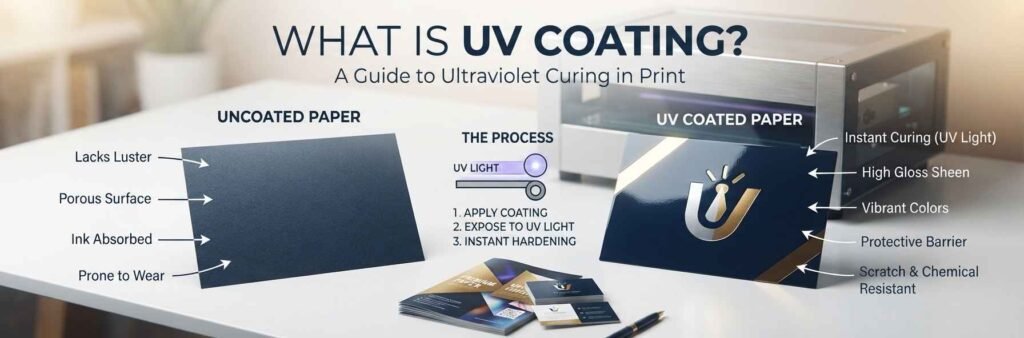

Many people in the packaging business want to know more about special finishes that make boxes look nice. One common method adds a clear layer that feels smooth and reflects light in a good way. It helps the printed colors stay bright for a longer time and stops the surface from getting marks easily. Factories like it because the drying happens very fast under special lamps.
This saves time compared to older methods that need more waiting. The finish works on different paper weights and box styles. It is popular for food packs, books and gift items that need to stay clean on store shelves. In this article we explain many sides of the topic with simple details.
You will read how it is created, what machines do and why some choose it over other options. The information comes from real production experiences and can help new designers or small companies. Understanding these points avoids mistakes when ordering printed materials. Overall it is a practical choice for better looking and stronger surfaces on many products.
What is UV coating on cubes?
What is UV coating on cubes is something asked by those who make special shape packages. Cube style boxes have six equal sides and need even coating on all faces so they look the same from every view. The layer is applied after printing then cured with ultraviolet lamps to become solid. This gives protection on edges where hands touch most often.
For cube forms the coating must not crack when the box is folded at sharp angles. Workers test the thickness carefully because too thick a layer can make folding difficult. In gift shops or display areas these cube packages with shiny surfaces catch attention fast.
The even shine makes the whole item appear more expensive. It also adds water resistance so light spills do not damage print right away. Many times the cube design is used for small electronics or jewelry and the coating helps keep it new during transport. Factories adjust the machine speed to match the cube shape so no area gets missed. This attention to detail makes the final product consistent.
What is uv coating used for
What is uv coating used for covers wide range of needs in printing world. It mainly protects the ink from rubbing off and adds nice glossy look that customers like. You see it on magazine covers because it makes photos pop with more depth. In packaging it keeps rigid boxes clean from fingerprints during handling at stores. The fast curing means production lines run without long drying breaks which saves money.
It is picked when the brand wants a premium feel without using plastic lamination. For outdoor menus or signs the coating helps against sunlight fading. Some use it on business cards so they stay stiff longer. The protection level is good for items that get touched often yet it stays flexible enough for folding.
Companies test different amounts of coating to find balance between shine and cost. In food sector it meets safety rules because it does not transfer bad smells to contents. Overall this finish improves both looks and strength of printed paper items in daily use.
What is uv coating made of
What is uv coating made of includes chemicals that react to light. The base is liquid resin mixed with special molecules called photoinitiators. When ultraviolet light hits them they harden in seconds. There are also small amounts of additives that control how thick or smooth the layer becomes. These ingredients come from careful lab work to make sure the final surface is safe for contact.
Manufacturers avoid harmful solvents so the mix is more friendly than old varnishes. The exact recipe changes by supplier but main part is always the resin that forms hard clear film after light exposure. Some versions add tiny particles for matte effect instead of high gloss. Quality check tests if it sticks well to different papers without peeling later.
Storage of the liquid must be in a dark place because light can start hardening inside the container by mistake. Workers wear gloves during mixing because some ingredients can irritate skin. This composition allows quick production while giving durable results that lasts through shipping and customer use.
Types of UV coating
Types of UV coating give choices for different design needs. Factories pick based on the look they want and how much budget is available. Each kind has its own way of application and final feel on the paper.
Full coverage style
Full coverage style puts the layer on the entire surface for uniform shine. It works well for backgrounds that need maximum protection.
Spot application method
Spot application method adds coating only on selected areas like logos or pictures. This creates contrast between shiny and dull parts.
Soft touch version
The soft touch version gives a velvet feeling instead of gloss. It is popular for high end items that need an elegant matte surface.
UV Coating on paper
UV Coating on paper is common practice that improves both appearance and strength. The paper absorbs some of the liquid at first then light locks it on surface. Thicker papers handle the coating better because they do not curl as much during curing.
Printers often combine it with normal ink colors for bright results. On uncoated paper the absorption is higher so extra primer layer may be used first. This prevents the coating from sinking too deep and losing its shine. Many book printers choose it for covers that face constant handling. The paper grain direction matters because coating can emphasize fibers if not applied correctly.
Testing small sheets helps see the final color shift because some inks darken slightly under the layer. For packaging the coated paper folds cleanly without cracking if score lines are deep enough. It also reduces static electricity that attracts dust in warehouse. Good paper and coating match leads to a professional product that stands out on the shelf.
UV coating process
UV coating process follows several clear steps from start to finish. First the paper or board gets printed with desired design and colors. Next the coating liquid is spread using rollers or special screens that control exact thickness. Then the sheet moves under strong ultraviolet lamps that harden the layer almost instantly. After that cooling fans remove extra heat so material does not warp. Final inspection checks for bubbles uneven spots or areas that missed the light. Any problem sheets are set aside.
The whole line runs at steady speed to keep quality the same across thousands of copies. Temperature in factory affects how fast the curing happens so air conditioning is often needed. For complicated designs multiple passes may be required with drying between them. Workers monitor the lamps because old bulbs give weaker light and cause soft spots. Proper maintenance keeps the process reliable. This method is faster than water based coatings that need hours to air dry. Many modern factories have inline systems that print coat and cure in one pass for better efficiency.
what is UV printing
UV printing connects closely with the coating topic because the same light technology is used. In this printing the inks themselves harden under ultraviolet lamps instead of soaking into paper. It allows printing on non absorbent materials like plastic or metal. The colors stay on the surface with less spreading so details are sharper.
Many times UV printing and coating are done together in one machine for complete finish. This saves steps and reduces registration errors where layers do not line up perfectly. The inks are more expensive but waste is lower because they do not dry in the printer heads. It is good for short runs of custom orders where quick turnaround is needed.
The environmental side is better now because new formulas have less smell and lower energy use. Printer operators like it for vivid colors that resist fading. When combined with the coating it creates a package that looks rich and feels strong. This technology opened new possibilities for unusual substrates that normal ink could not handle before.
How the finish affects package cost and shelf life
The finish affects package cost and shelf life in direct ways. Adding the layer increases production price by a small percent but it can raise the perceived value of the product inside. Customers often associate shiny surfaces with better quality so sales may improve. On shelf the protected print does not scratch during stacking or customer browsing.
This means less returns from damaged looks. Over time the hardened layer resists yellowing from light exposure better than untreated prints. For businesses that ship long distances this durability reduces complaints.
Cost can be controlled by using the coating only on main visible panels instead of all sides. Smart planning of design keeps expenses reasonable while gaining most benefits.
Many brands calculate return on investment by tracking how the enhanced look influences buyer decisions at point of sale. It is clear the extra step pays back when the product competes in a crowded market. Proper curing also prevents sticking in stacked bundles which saves time in the packing area.
Last Words
In conclusion the topic we covered shows why this finish stays important in modern packaging. From understanding what different forms do to seeing the actual production steps it becomes easier to decide if it fits your project. The quick hardening under light makes factory work efficient and the final surface feels pleasant while protecting print.
Many factors like paper choice and design thickness influence final success so testing remains necessary. Whether for small startup or established brand the right application can lift product appearance without huge extra cost. It combines protection with attractive shine that helps items sell faster. As technology improves new variations appear but basic principles stay useful. Anyone involved in printing should keep learning these details to avoid common problems.
The knowledge supports better communication with suppliers and leads to satisfying results. US Custom Pack can help turn these ideas into real packaging that performs well in market. Taking time to choose the correct type brings long term advantages for both looks and function.
